
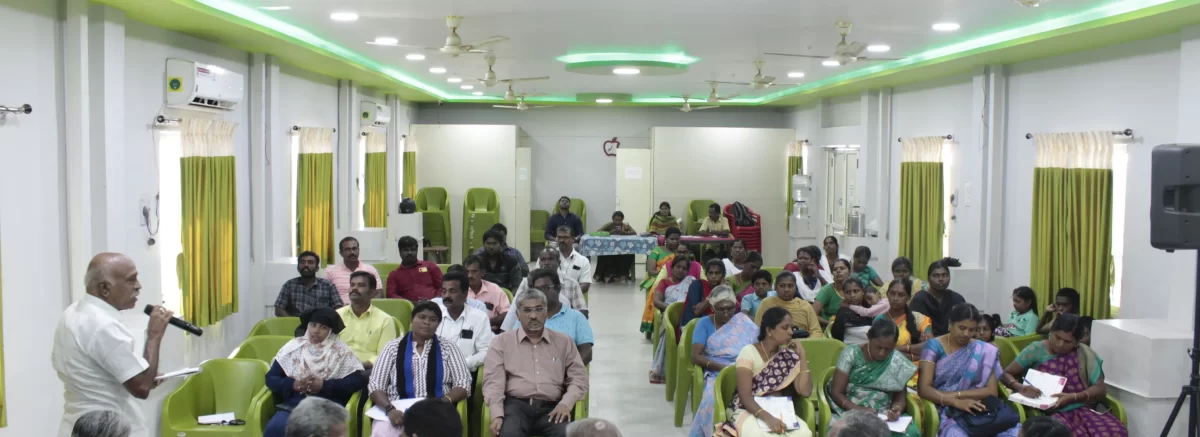
Training Programmes for Leaders of Unorganized Workers’ Collectives
The Workers' Collective Leaders' Training Programmes reaffirm that collective action and access to legal support are essential for improving the lives of unorganized workers. Recognizing that continuous capacity building and collective engagement are key to ensuring dignity, social security, and access to entitlements, Vaan Muhil Trust organizes six bi-annual leaders' training programmes each year across its operational blocks. Each block hosts two training programmes annually, bringing together workers' collective leaders to strengthen their leadership skills, enhance their understanding of labour rights and government welfare schemes, and promote collective action for sustainable community development.
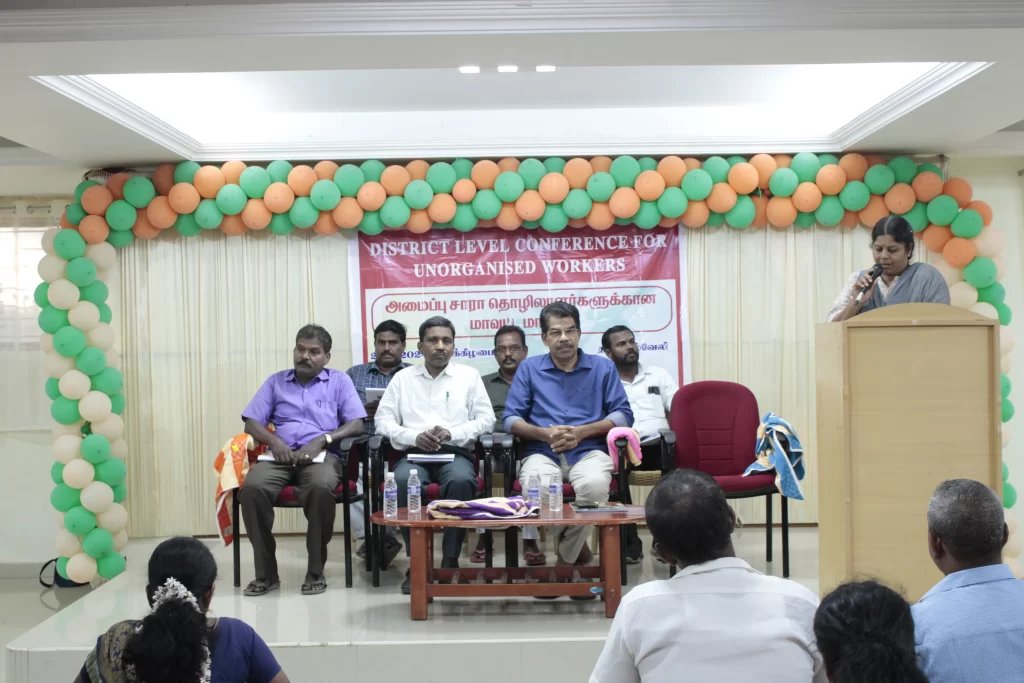
District Level Annual Meeting for Unorganized Workers in Tirunelveli
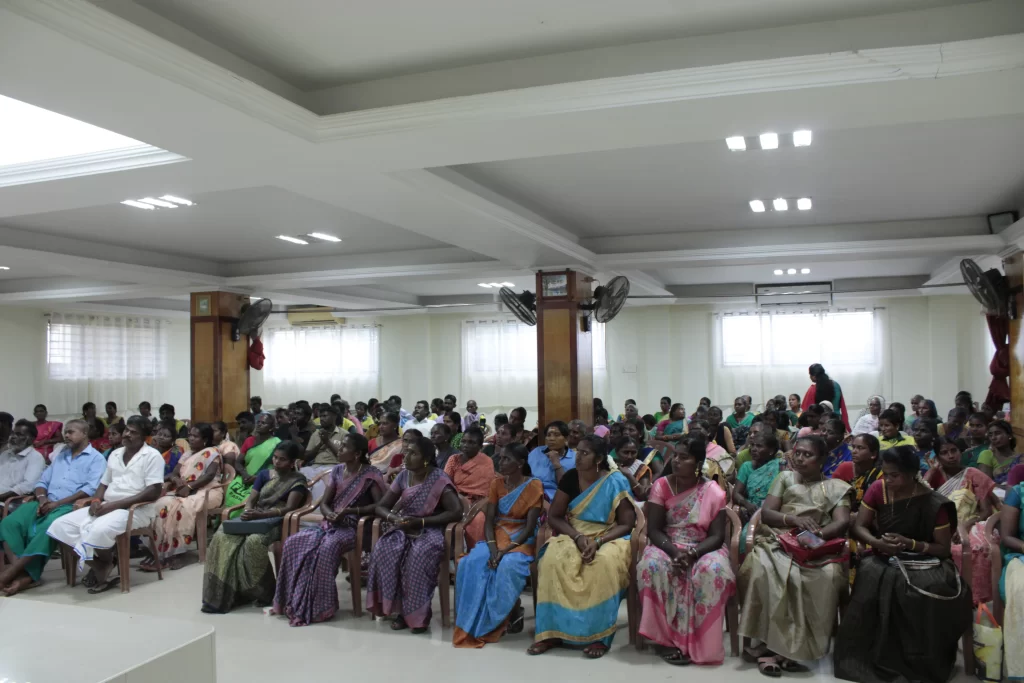
On 14 December 2025, Vaan Muhil Trust organized a one-day District-Level Conference for Unorganized Workers in Tirunelveli. The conference brought together nearly 200 unorganized workers representing diverse occupational sectors from three project blocks and various areas within the Tirunelveli City Corporation. The annual conference served as a vibrant platform for collective reflection, learning, and dialogue among workers' collective leaders. It provided an opportunity to review achievements, share experiences, and strengthen solidarity among unorganized workers.
A special highlight of the conference was the sharing of experiences by four workers' leaders, representing the project blocks. They reflected on their five-year journey with Vaan Muhil Trust, sharing inspiring stories of leadership, collective action, and empowerment. Their testimonies highlighted the Trust's significant contribution in strengthening workers' collectives, promoting awareness of labour rights, and enabling access to social protection schemes and government welfare entitlements. The conference reaffirmed the importance of collective organization and community leadership in advancing the rights, dignity, and social security of unorganized workers.
Legal Support Services and Facilitation Centers for Unorganized Workers
Vaan Muhil Trust provides continuous support to unorganized workers by assisting them in addressing labour-related issues and accessing their legal and social security entitlements. Programme staff work closely with workers in each project block, offering guidance, facilitating grievance redressal, and connecting them with appropriate legal support services. To strengthen workers' awareness of their rights, two legal awareness and training programmes are organized annually in collaboration with panel advocates from the District Legal Services Authority (DLSA). These programmes equip workers with knowledge of labour laws, social protection schemes, and available legal remedies.
The Trust has successfully facilitated the resolution of numerous long-pending cases related to social security benefits, including death claims, accident compensation, pension benefits, Employees' State Insurance (ESI), and Provident Fund (PF) entitlements. In addition, the Facilitation Centres provide guidance and support on a range of other legal and social issues, such as domestic violence, child sexual abuse, civil disputes, and community infrastructure concerns.
Programme staff ensure that workers receive timely information, counselling, and referrals to appropriate government departments and legal authorities. To enhance coordination and improve service delivery, Workers' Facilitation and Support Centres have been established in all four project blocks. These centres serve as accessible resource hubs where unorganized workers can seek information, guidance, and assistance. They also provide a common platform for block-level facilitators and coordinators to meet regularly, review cases, coordinate activities, and plan interventions, thereby strengthening the effectiveness and reach of the programme at the grassroots level.
Sanitary Workers’ Collective Meeting
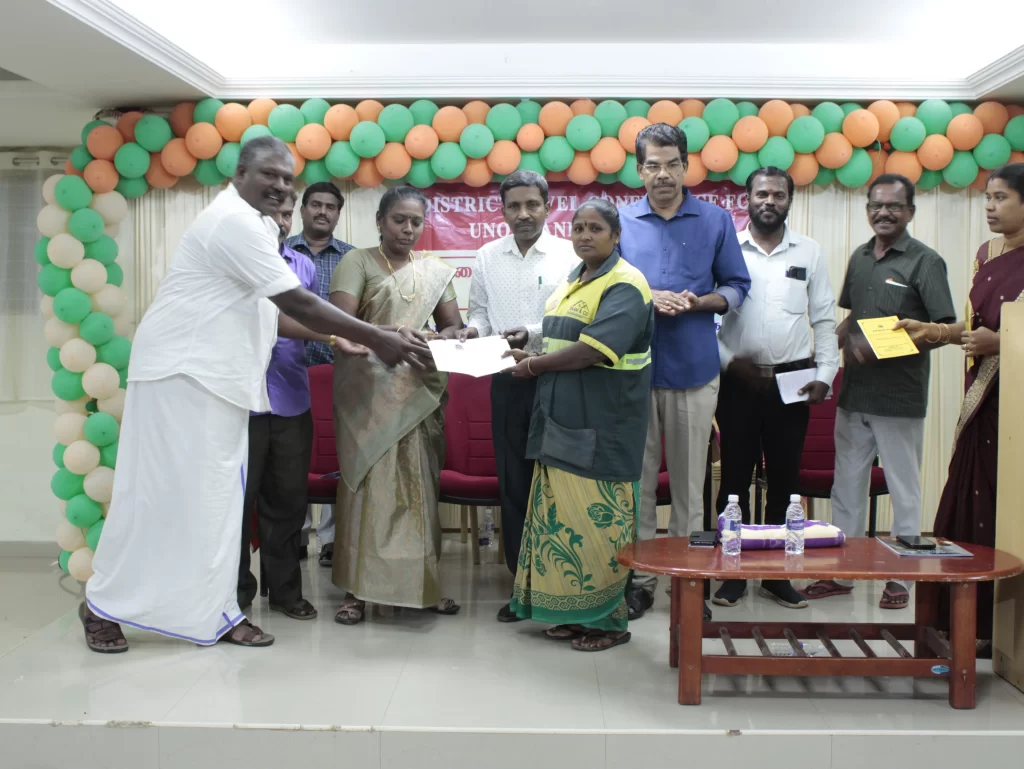
Vaan Muhil Trust organizes two one-day collective meetings each year for sanitary workers in the Tirunelveli City Corporation. These meetings provide a common platform for workers to come together, share their experiences, discuss workplace challenges, and strengthen their collective voice in advocating for their rights and welfare.
The sessions focus on several key themes, including:
- The importance of collective action and solidarity among sanitary workers.
- The need to organize sanitary workers into strong and sustainable collectives.
- Workplace challenges faced by sanitary workers and strategies to address them collectively.
- Awareness of welfare schemes available through the Sanitary Workers Welfare Board.
- Information on TAHDCO schemes that promote entrepreneurship and livelihood opportunities for Scheduled Caste and Scheduled Tribe communities.
These meetings have encouraged sanitary workers to recognize the value of collective organization in addressing workplace exploitation, accessing government welfare schemes, and seeking appropriate legal remedies. The programme has strengthened their confidence to advocate for safe working conditions, social security, and dignity in their workplace.
Legal Education Programmes for Unorganized Workers
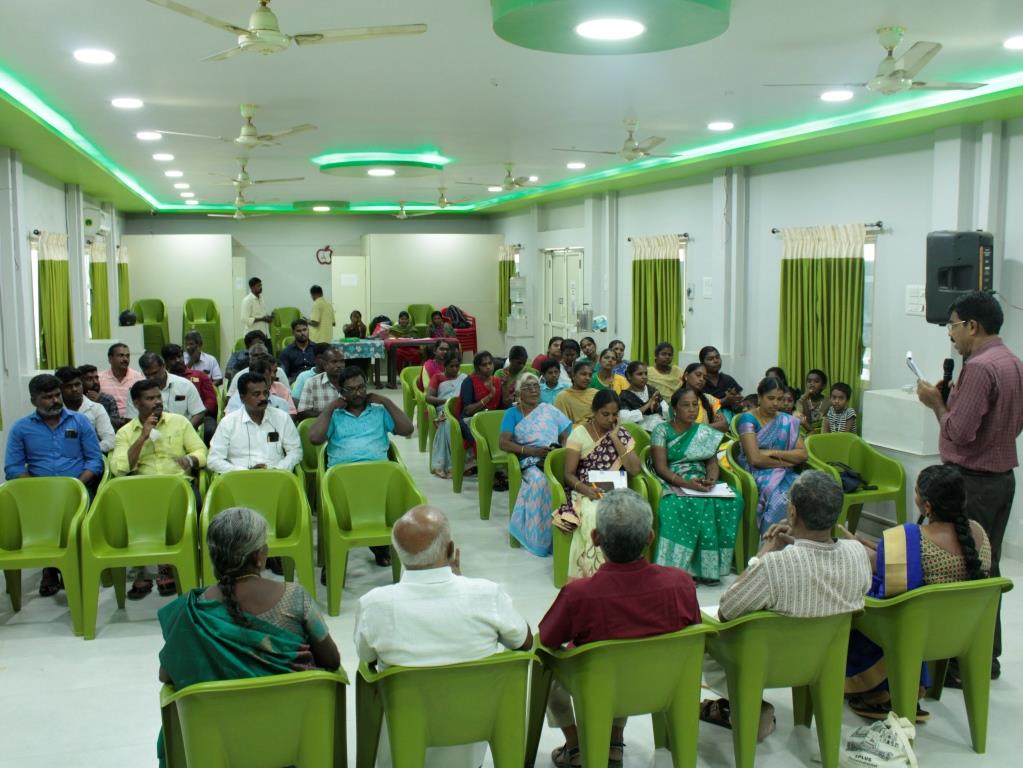 Vaan Muhil Trust conducted four legal awareness and rights training programmes, including a dedicated programme for sanitation workers in the Tirunelveli City Corporation. These trainings strengthened participants' understanding of labour rights, legal protections, and access to social security entitlements. The sessions covered key topics such as minimum wages, social protection benefits, Employees' State Insurance (ESI) entitlements, and occupational health and workplace safety.
Specialized sessions focused on important legislations, including the Prohibition of Employment as Manual Scavengers and their Rehabilitation Act, 2013, the Scheduled Castes and Scheduled Tribes (Prevention of Atrocities) Act, 1989 (as amended in 2015), and the relevant Rules governing their implementation. Participants were also oriented on welfare schemes for the Adi Dravidar community, TAHDCO entrepreneurship and livelihood programmes, and the benefits available through various State Welfare Boards. The training programmes enhanced workers' legal awareness, strengthened their confidence to claim their rights, and promoted greater access to government welfare and social protection schemes.
Formation and Strengthening of Internal Committees
Vaan Muhil Trust, in collaboration with the District Social Welfare Department and the One Stop Crisis Centre, took efforts to form Internal Committees (ICs) in spinning mills, garment units, and factories across Tirunelveli district. These initiatives aimed to strengthen workplace safety by ensuring compliance with the Sexual Harassment of Women at Workplace Act. The IC members received focused training on their roles and responsibilities, along with practical guidance on ensuring the effective functioning of the committees within their respective workplaces. This intervention marks a critical step towards building safer, more accountable work environments for women in the industrial sector.
Workshops on ESI Benefits for Community Leaders
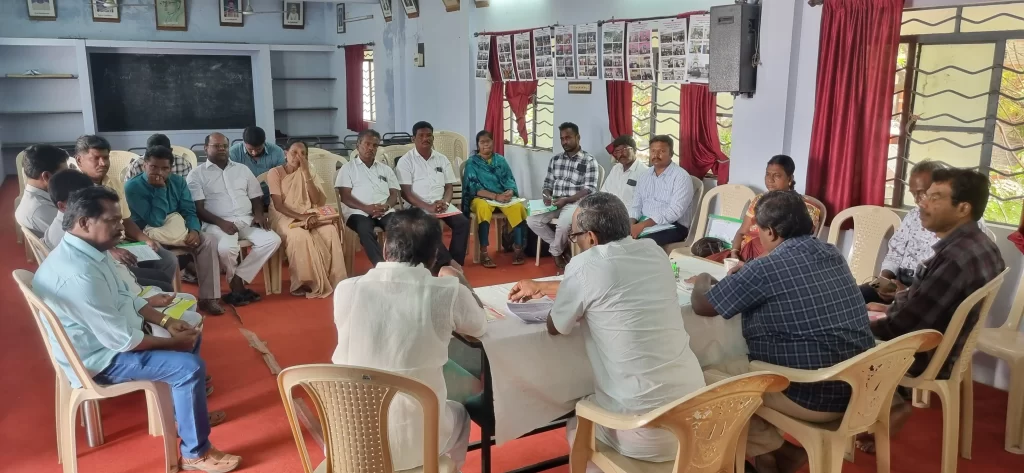
Vaan Muhil Trust places strong emphasis on continuous capacity building to strengthen the knowledge and skills of its staff and community leaders. As part of this commitment, the Trust organized training programmes on unorganized workers' rights and social protection, including a two-day capacity-building programme with technical inputs from officials of the Labour Department and the Social Welfare Department. Expert-led sessions focused on key legislations such as the Unorganized Workers' Social Security Act, 2008, and the Employees' State Insurance (ESI) Act, enhancing participants' understanding of workers' rights, social security entitlements, and government welfare schemes. These trainings have strengthened the capacity of programme staff to provide effective field-level support and facilitate workers' access to social protection benefits.
In parallel, comprehensive training programmes were conducted on child protection, the Protection of Children from Sexual Offences (POCSO) Act, safeguarding policies, and gender sensitivity. Regular orientation sessions, case-based learning, and updates on legal and policy frameworks ensure that staff remain well-informed and responsive to emerging issues. This sustained investment in capacity building equips staff and community leaders with the knowledge, skills, and ethical understanding needed to deliver inclusive, rights-based, and community-centered programmes while upholding the highest standards of child safeguarding, gender equity, and professional practice.